

April 8, 2025 · Electrical & Energy · ShaktiPunj
Every large industrial plant depends on its switchyard. It receives power from the grid, steps it down through transformers and distributes it to the plant, and in many cases also connects captive generation. A fault here can stop the entire plant, so the engineering has to be right.
Start with the single line diagram
The single line diagram (SLD) is the foundation of the electrical design. It shows the incoming supply, transformers, breakers, isolators, instrument transformers and outgoing feeders. Load studies and short-circuit calculations based on the SLD decide the ratings of every piece of equipment.
Selecting the main equipment
- Power transformers sized for present load with margin for expansion
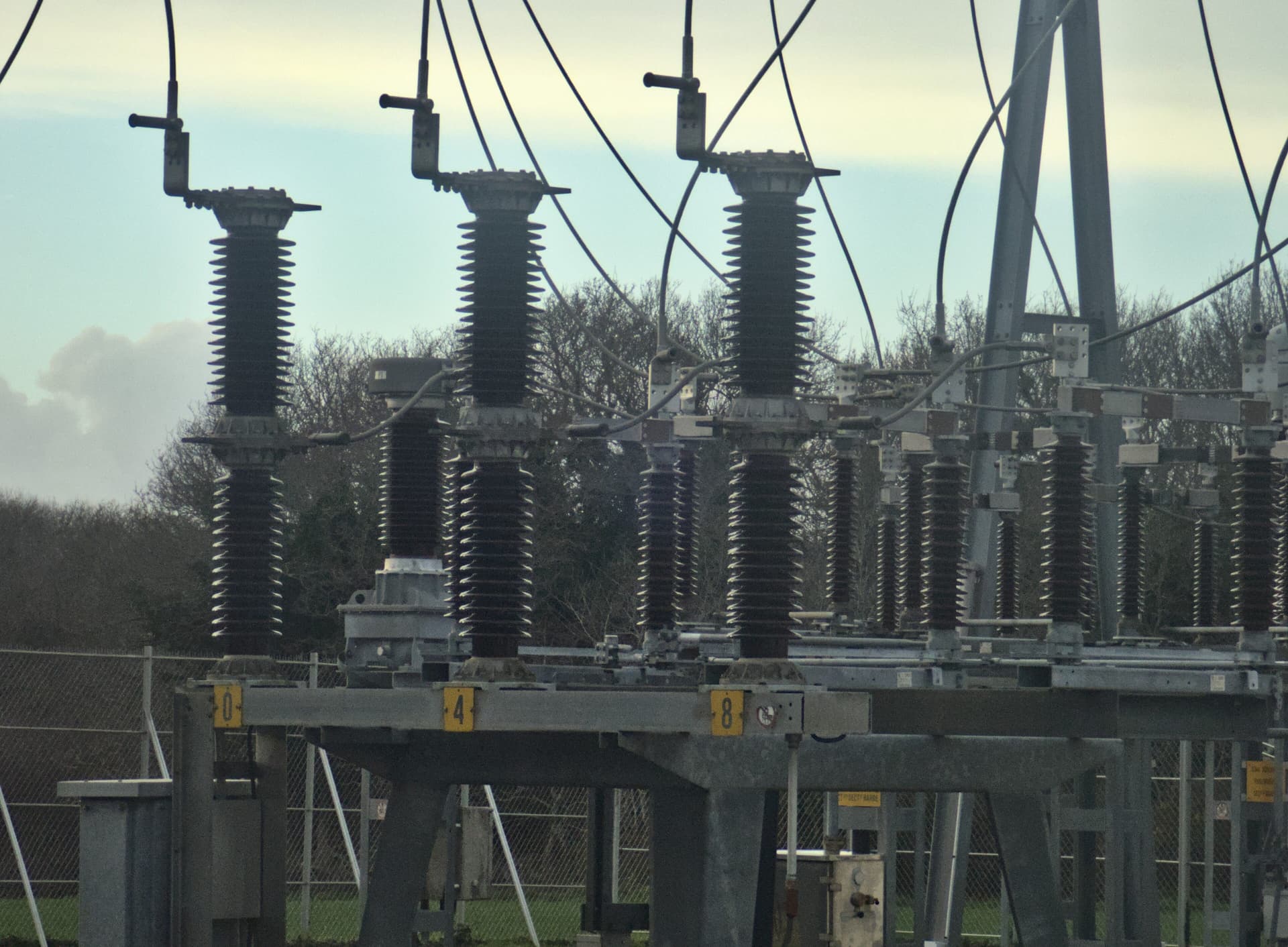
- Circuit breakers and isolators rated for the calculated fault level
- Current and potential transformers for metering and protection
- Lightning arresters to protect equipment from surges
Protection and control
Relays must isolate a fault quickly while leaving healthy parts of the system running. Protection coordination studies set relay settings so that the device closest to the fault operates first. Control and relay panels, SCADA links and metering complete the system.
Earthing and safety
A properly designed earth mat keeps step and touch voltages within safe limits during a fault. Clear barricading, warning signs and permit-to-work procedures protect people during construction and maintenance.
Testing and commissioning
- Pre-commissioning tests on transformers, breakers and cables
- Secondary injection testing of relays
- Checking interlocks and trip circuits end to end
- Energising in a planned sequence with the utility's approval
ShaktiPunj provides electrical engineering, EPC support and site supervision for switchyards and substations, from the first SLD to the day the plant is energised.